
EICR Specialists•
EICR (Electrical Installation Condition Report) specialists are crucial for ensuring the safety and compliance of electrical systems in residential, commercial, and industrial properties. They conduct detailed inspections and tests, comparing electrical systems against national safety standards to spot hazards, wear, or non-compliance. These professionals are adept not only in technical evaluations but also in navigating complex regulations.
 Top Rated
One Way
25 Uttoxeter Rd, Longton, Stoke-on-Trent ST3 1NYOur Electrical Installation Condition Reports assess the safety of your electrical installations through fixed wiring tests, ensuring they are suitable for ongoing use.
These tests are a legal necessity, helping you adhere to the Electricity at Work Act 1974 and BS 7671 standards. Commonly referred to as Electrical Periodic Testing, this procedure involves a thorough inspection of your property's wiring system.
We provide clear and concise reports, categorizing items as pass or fail, along with explanations for any failures.
- Recommended
-
Superb19 Reviews4.9/5
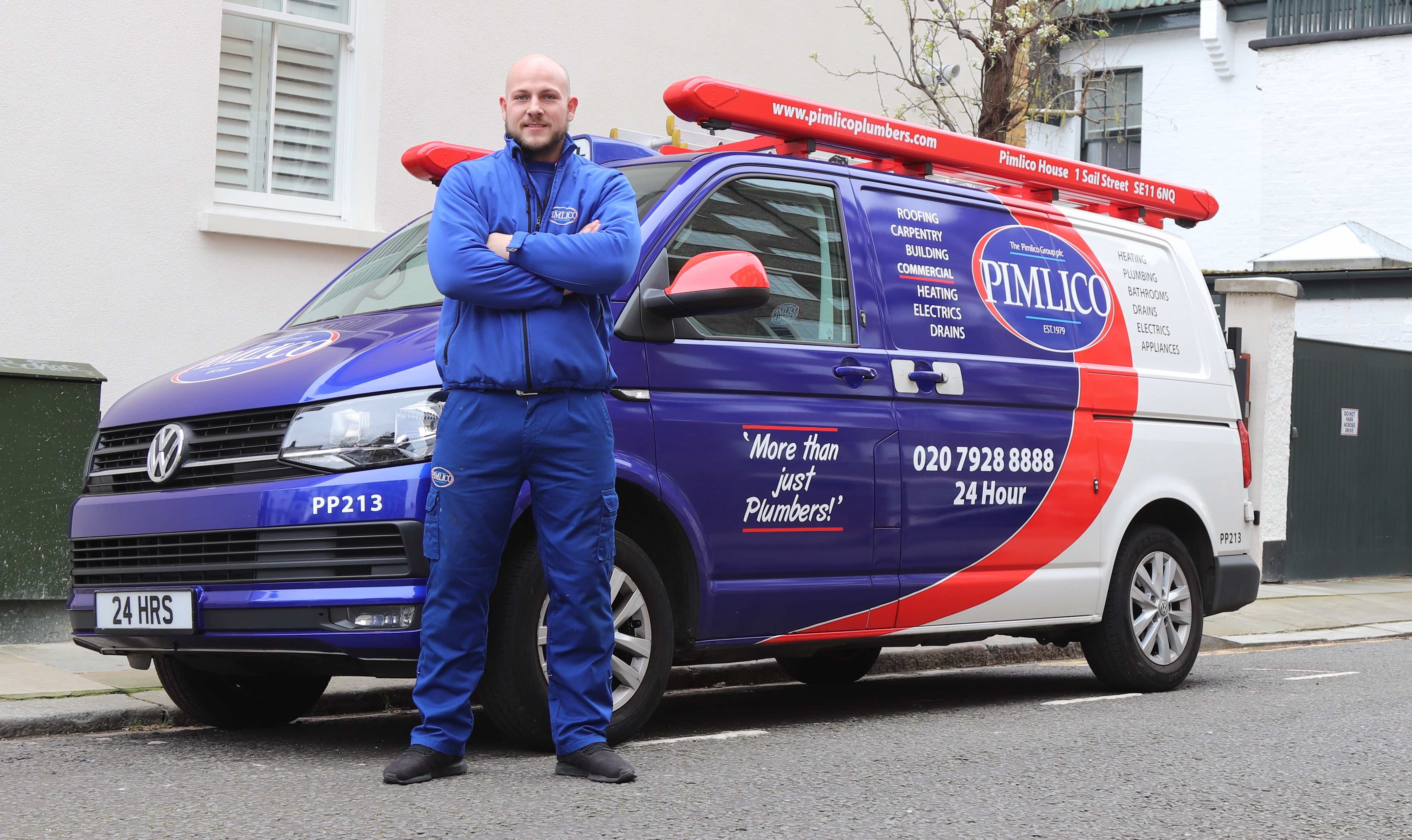
Pimlico Plumbers
Pimlico House, 1 Sail St, London SE11 6NQAn Electrical Installation Condition Report (EICR) pinpoints defects, wear, and potential hazards in a property's electrical system, ensuring safety and regulatory compliance. It evaluates the electrical infrastructure, including wiring, fuse board, and earth bonding. The Landlord’s Electrical Safety Certificate can also serve as an EICR.
For homeowners, it's advised to undergo electrical inspections every ten years for private properties. For rentals, non-compliance with safety standards could result in fines up to £30,000 for landlords. The number of circuits in a property is determined by counting the small switches (circuit breakers) on a modern fuse board, with larger switches indicating RCDs.
Note that Portable Appliances are not covered by an EICR; they require a separate PAT test to ensure their safety and appropriateness for use.
EPC
182a High Street, Beckenham, BR3 1EWEnsuring electrical installations meet safety standards is crucial to prevent electric shocks or fires, which can cause injury and damage. According to Electric Safety First, electrical fires impact 20,000 UK homes annually, with 89% resulting from electrical products and 11% from faulty wiring, most of which are preventable through regular inspections.
Landlords have a responsibility to maintain electrical safety for tenants, ensuring all appliances, wiring, and fuse boxes are properly installed and functional. Regular checks are essential, but hidden cables and wires may be missed without a qualified electrician.
To ensure compliance with safety standards, have a qualified electrician conduct a thorough inspection and provide an Electrical Installation Condition Report (EICR) for your property.

Safe House Services
7 Downlands Parade, Upper Brighton Road, Worthing, West Sussex, BN149JHAn EICR, or Electrical Installation Condition Report, is issued after a certified electrician inspects your electrical systems. This report grades your installation, with "satisfactory" indicating safety. Any significant issues are detailed, along with a proposed plan for resolution.
Safehouse provides these reports at competitive prices (starting at £150), conducted by our certified and highly trained professionals. We rigorously vet our engineers to ensure top-quality service. As a leading provider of EICRs in London, we're known for our customer satisfaction. For more information or a free, no-obligation consultation, feel free to contact our customer service team.

SAFE I.S. Ltd
31 Ormside Way, Holmethorpe Industrial Estate, Redhill, Surrey, United Kingdom, RH1 2LWRegular testing and maintenance are crucial for fixed electrical installations, as they naturally deteriorate over time, posing risks to building occupants. Electrical Installation Condition Reports (EICR) assess whether these installations are safe and suitable for continued use. Legally mandated under The Electricity at Work Regulations 1989, EICRs help ensure the proper functioning and safety of electrical systems, which can suffer from age, damage, wear and tear, circuit overloading, or corrosion.
Upon completion of an EICR, you'll receive a comprehensive DPM3 report (a set NAPIT test sheet), which includes detailed recommendations and observations.

British Gas
195 Aylestone Rd, Aylestone, Leicester LE2 7QJEnsure your property and tenants' safety with an EICR from our qualified engineers. We offer:
A thorough safety inspection of all accessible mains connected wiring and fixtures in the fuse box.
A detailed condition report outlining the inspection results and any necessary repairs.
An EICR gives landlords an overview of their rental property's electrical condition, suggesting any necessary actions to maintain compliance with the British Standard for electrical safety (BS 7671). It includes codes for any electrical installations, fixtures, fittings, or equipment that don't meet safety standards.

PSS Installations
17 Wollaston Crescent, Wollaston Industrial Centre, Burnt Mills, Basildon, Essex, SS13 1QDAn Electrical Installation Condition Report (EICR) assesses an existing electrical installation's condition, checking for deviations from the national electrical safety standard. Previously known as a Periodic Inspection Report (up until 2011), an EICR is a comprehensive review conducted by a qualified electrician or electrical contractor familiar with electrical installations. They follow the current wiring regulations, BS7671:2008+A3:2015. As NICEIC approved contractors, Project Skills Solutions provides detailed NICEIC Electrical Installation Condition Reports. These reports include thorough tests on each circuit, verifying safety mechanisms like effective earth fault paths and quick-operating residual current devices (RCDs) to ensure user safety.
The duration of these tests varies, ranging from days to weeks, depending on the property's size, and can be extensive for larger commercial or industrial installations.
Do You Need an Electrical Certificate to Sell a House?
Selling a house involves numerous steps and considerations, including ensuring the property's electrical system is safe and up to code. A common question that arises is whether homeowners need an electrical certificate to sell their house. This article explores the importance of electrical certificates, the regulations surrounding them, and their impact on the house-selling process.
Understanding Electrical Certificates
An electrical certificate, also known as an Electrical Installation Condition Report (EICR), is a document provided by a qualified electrician. It assesses the safety of the electrical installations in a property and ensures they meet the necessary standards.
What Does an Electrical Certificate Cover?
- Inspection of the electrical wiring, systems, and components.
- Assessment of the property's compliance with current electrical regulations.
- Identification of any potential electrical safety issues.
Legal Requirements for Electrical Certificates
The legal requirement for an electrical certificate when selling a house varies depending on the location and property type.
Regulations in Different Regions
- In some regions, the law mandates an electrical safety check and certificate before selling a house.
- In others, it is not legally required but strongly recommended for the safety of the new occupants.
Types of Properties
- Rental properties often have stricter requirements for electrical safety checks compared to privately owned homes.
- For new constructions, an electrical certificate is typically required to demonstrate compliance with building regulations.
The Importance of Electrical Certificates in Selling a House
Having an electrical certificate can significantly impact the house-selling process.
Building Trust with Potential Buyers
- An electrical certificate can reassure potential buyers about the safety and condition of the property's electrical system.
- It demonstrates the seller's commitment to maintaining the property.
Impact on Property Value
- A property with a valid electrical certificate may be valued higher, as it reduces the potential costs and risks for the buyer.
- The lack of an electrical certificate might lead to negotiations or decrease the property's market value.
The Process of Obtaining an Electrical Certificate
Obtaining an electrical certificate involves a few key steps.
Choosing a Qualified Electrician
- It is essential to hire a certified electrician who is authorized to conduct electrical inspections and issue certificates.
- The electrician should be familiar with the latest safety standards and regulations.
The Inspection Process
- The electrician will inspect the electrical installations, including wiring, sockets, fuse boxes, and other components.
- They will identify any defects, potential hazards, or areas not compliant with current standards.
Receiving the Certificate
- After a successful inspection, the electrician will issue an Electrical Installation Condition Report.
- If issues are found, the homeowner may need to undertake necessary repairs before obtaining the certificate.
Cost and Validity of an Electrical Certificate
An electrical certificate's cost and validity period are important factors for homeowners.
Cost Factors
- The cost can vary depending on the property's size and the electrical system's complexity.
- Additional fees may arise if repairs are needed to bring the property up to standard.
Validity Period
- An electrical certificate typically has a validity period, after which a new inspection is recommended.
- The standard validity period is often around five years, which can vary based on regional regulations and the property's age.
Electrical Safety and Liability Issues
Electrical safety is critical to property maintenance, impacting both the seller's and buyer's liability.
Seller's Liability
- Selling a house without addressing known electrical issues can lead to legal liabilities for the seller, especially if these issues lead to accidents or damage post-sale.
- An electrical certificate can help mitigate these liabilities by proving the seller was aware of and addressed the property's electrical safety.
Buyer's Due Diligence
- Buyers are encouraged to request an electrical certificate or conduct their own inspection to understand the state of the property's electrical system.
- This due diligence can prevent future costs and safety hazards.
The Role of Electrical Certificates in Home Insurance
Home insurance providers often consider the electrical safety of a property when issuing policies.
Insurance Requirements
- Some insurance companies may require an electrical certificate to provide coverage, especially for older properties.
- Properties without a recent electrical inspection might face higher premiums or denial of coverage.
Impact on Claims
- In the event of an electrical-related incident, an up-to-date electrical certificate can influence the outcome of insurance claims.
- Lack of certification may lead to complications in claiming damages.
Electrical Certificates and Home Renovations
An electrical certificate becomes even more crucial for homes that have undergone significant renovations.
Renovation and Electrical Work
- Major renovations often involve electrical work, which needs to be inspected and certified for safety.
- An updated electrical certificate post-renovation can assure potential buyers about the quality and safety of the work done.
Best Practices for Home Sellers
Home sellers can take certain steps to ensure a smooth selling process regarding electrical safety.
Conducting Pre-Sale Inspections
- Before listing the property, a pre-sale electrical inspection can identify and address any issues.
- This proactive approach can prevent delays and negotiations regarding electrical safety during the sale process.
Maintaining Electrical Safety Records
- Keeping a record of all electrical work and inspections can be valuable information for potential buyers.
- These records can show a history of maintenance and compliance with safety standards.
The Future of Electrical Safety in Real Estate
The importance of electrical safety in real estate will likely increase as regulations become more stringent, and buyers become more aware of safety issues.
Evolving Standards and Regulations
- Electrical safety standards and regulations are continually evolving to ensure higher safety levels.
- Staying informed about these changes is crucial for homeowners and real estate professionals.
Technological Advances in Electrical Safety
- Technological advancements in electrical systems and safety devices may influence the requirements and processes for obtaining electrical certificates.
- Smart home technology, in particular, may bring new considerations for electrical safety inspections.
Conclusion
In summary, while an electrical certificate may not be legally required in all regions for selling a house, it is a crucial document that adds value, ensures safety, and enhances the credibility of the sale. The importance of electrical safety cannot be overstated, and obtaining an Electrical Installation Condition Report can be a wise decision for any homeowner looking to sell their property.